

Log in To Dawaa Dost
Welcome! Please enter your details
Phone Number
+91
Welcome To Dawaa Dost
Please fill in the details and we will call you back as soon as one of our executives is free.
+91

Prescription Required
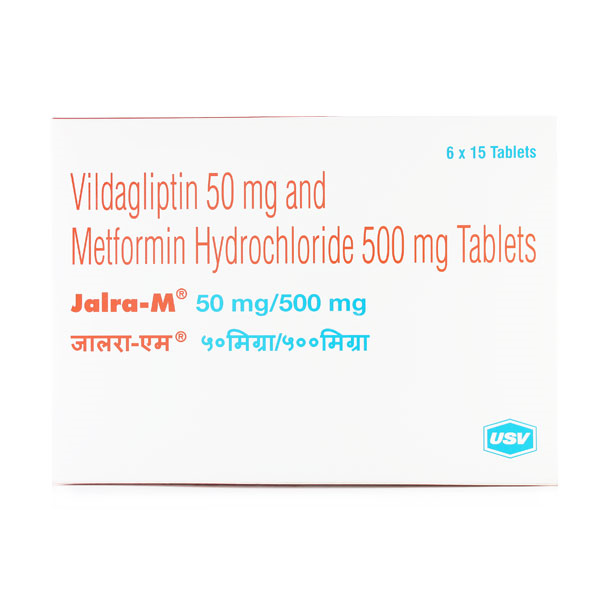
Introduction to Jalra M 50mg/500mg Tablet 15s
Jalra M 50mg/500mg Tablet is an antidiabetic medication used to manage Type 2 Diabetes Mellitus. It contains Vildagliptin (50mg), a DPP-4 inhibitor, and Metformin (500mg), a biguanide, which together help control blood sugar levels, improve insulin function, and reduce glucose production.
Safety Advice for Jalra M 50mg/500mg Tablet 15s
- High risk
- Moderate risk
- Safe

Alcohol should generally be avoided while taking these medications because it can enhance their blood sugar-lowering effects and raise the risk of hypoglycemia.
It is also generally considered safe to use while pregnancy.

Jalra M 50mg/500mg Tablet is typically considered safe to use during breastfeeding.
The medication is mainly eliminated through the kidneys and, in rare instances, can cause lactic acidosis, particularly in those with kidney issues.
It is generally safe for liver. However, consult the doctor before use.

It's safe to drive after taking this drug.
How Jalra M 50mg/500mg Tablet 15s works
Jalra M 50mg/500mg Tablet 15s combines two antidiabetic drugs: Metformin and Vildagliptin. Metformin reduces sugar production in the liver, slows down sugar absorption from the intestines, and makes the body more responsive to insulin. Vildagliptin increases insulin release from the pancreas and reduces hormones that raise blood sugar, leading to better control of both fasting and after-meal sugar levels when used together.
How To Use Jalra M 50mg/500mg Tablet 15s
- Dosage: Usually one tablet twice daily, as prescribed. Dose adjustments may be needed based on blood sugar levels.
- Administration: Take with meals to avoid stomach upset. Swallow whole with water; do not crush or chew.
- Duration: Long-term use is required for diabetes management.
Special Precautions About Jalra M 50mg/500mg Tablet 15s
- Use with caution in heart disease patients, as blood sugar fluctuations may affect the heart.
- Do not use Jalra M 50mg/500mg Tablet in Type 1 Diabetes or diabetic ketoacidosis.
- May cause low blood sugar (hypoglycemia) if taken with other antidiabetic drugs or skipped meals.
Benefits Of Jalra M 50mg/500mg Tablet 15s
- Effectively controls blood sugar levels in Type 2 diabetes.
- Jalra M 50mg/500mg Tablet reduces the risk of diabetes complications like nerve damage and kidney disease.
- Helps in weight management by reducing glucose absorption.
- Improves insulin sensitivity, making the body use insulin more effectively.
Side Effects Of Jalra M 50mg/500mg Tablet 15s
- Common Side Effects: Nausea, vomiting, diarrhea, dizziness, headache.
- Serious Side Effects: Lactic acidosis (weakness, trouble breathing), pancreatitis, liver issues.
Similar Medicine Of Jalra M 50mg/500mg Tablet 15s


What If I Missed A Dose Of Jalra M 50mg/500mg Tablet 15s
- Take the missed dose as soon as you remember.
- If it’s close to the next dose, skip the missed one and continue as usual.
- Do not double the dose to make up for a missed one.
Health And Lifestyle
Follow a balanced diet, low in refined sugars and high in fiber. Exercise regularly to improve insulin function. Monitor blood sugar levels frequently to track progress. Stay hydrated, as Metformin may cause mild dehydration. Get routine check-ups to assess kidney and liver function.
Drug Interaction
- Alcohol – Increases the risk of lactic acidosis.
- Beta-blockers (e.g., Atenolol, Metoprolol) – May mask symptoms of low blood sugar.
- Diuretics (e.g., Furosemide) – May affect blood sugar control.
- Corticosteroids (e.g., Prednisolone) – May increase blood sugar levels.
- Antacid- Cimetidine
Drug Food Interaction
- Alcoholic beverages
Disease Explanation
Type 2 Diabetes Mellitus – A condition where the body does not use insulin effectively, leading to high blood sugar levels. Insulin Resistance – A condition where cells fail to respond properly to insulin, requiring more insulin to maintain normal glucose levels. Hyperglycemia (High Blood Sugar) – Can lead to complications like nerve damage, kidney failure, and vision problems if left untreated.
Tips of Jalra M 50mg/500mg Tablet 15s
Take with food to prevent stomach upset.,Avoid skipping meals, as it may cause hypoglycemia.,Monitor kidney function regularly for long-term safety.
FactBox of Jalra M 50mg/500mg Tablet 15s
- Manufacturer: USV Ltd
- Composition: Vildagliptin (50mg) + Metformin (500mg)
- Class: DPP-4 Inhibitor + Biguanide
- Uses: Type 2 Diabetes Management
- Prescription: Required
- Storage: Store below 30°C, away from moisture
Storage of Jalra M 50mg/500mg Tablet 15s
- Store in a cool, dry place below 30°C.
- Keep out of reach of children.
- Keep in original packaging to prevent moisture damage.
Dosage of Jalra M 50mg/500mg Tablet 15s
Usually one tablet twice daily, or as prescribed.,Dose may be adjusted based on blood sugar levels.
Synopsis of Jalra M 50mg/500mg Tablet 15s
Jalra M 50mg/500mg Tablet is a combination of Vildagliptin and Metformin that effectively lowers blood sugar levels in Type 2 Diabetes. It reduces glucose production, improves insulin function, and helps prevent diabetes complications.
FAQ's on Jalra M 50mg/500mg Tablet 15s
What is Jalra tablet?
Jalra is used to treat patients with type 2 diabetes. It is used when diabetes cannot be controlled by diet and exercise alone. It helps to control the level of sugar in the blood. Type 2 diabetes develops if the body does not make enough insulin or if the insulin that the body makes does not work as well as it should.
How does vildagliptin work in the body?
The active substance in Galvus, vildagliptin, is a dipeptidyl-peptidase-4 (DPP-4) inhibitor. It works by blocking the breakdown of incretin hormones in the body. These hormones are released after a meal and stimulate the pancreas to produce insulin.
What class of drug is vildagliptin?
Novartis Galvus (vildagliptin) is a member of a class of oral antidiabetic agents known as dipeptidyl peptidase IV inhibitors (DPP-IV) inhibitors or incretin enhancers.
What is Jalra used for?
Jalra M is manufactured by USV pvt and contains a combination of Metformin hydrochloride and Vildagliptin. It is a medicine combination used for the treatment of Type-2 Diabetes Mellitus. Jalra M can be prescribed alone or in combination with other medicines as well.
Is metformin bad on your kidneys?
Metformin does not cause kidney damage. The kidneys process and clear the drug out of your system via urine. If your kidneys are not functioning properly, metformin can build up in your system and cause a condition called lactic acidosis.
What is Jalra tablet used for?
Jalra Tablet is a medicine used to treat type 2 diabetes mellitus. It is used together with a healthy diet and regular exercise to control blood sugar levels. This helps to prevent serious complications of diabetes like kidney damage and blindness.
What is the best medicine for diabetes type 2?
Metformin is generally the preferred initial medication for treating type 2 diabetes, unless theres a specific reason not to use it. Metformin is effective, safe, and inexpensive. It may reduce the risk of cardiovascular events. Metformin also has beneficial effects when it comes to reducing A1C results.
How long does Jalra M take to lower blood sugar?
It starts working within a few hours, but full benefits may take a few weeks.
What should you not eat when taking metformin?
You should avoid eating high-fiber foods after taking metformin. This is because fiber can bind to drugs and lower their concentration. Metformin levels decrease when taken with large amounts of fiber (greater than 30 grams per day).
Is vildagliptin safe?
Vildagliptin has been shown to be relatively safe in clinical trials; however, long-term evaluation of safety data and clinical experience of the effects of DPP4 inhibition are necessary. The DPP4 enzyme is present in many tissues, and it serves as a substrate for multiple hormones and peptides in the human body.
When should I take jalra 50?
You can take Jalra 50mg Tablet tablets before, with or after meals. If you have been prescribed to take this medicine once daily, then take it in the morning. In case you have to take it twice daily, then you should prefer taking the first dose in the morning and the second dose in the evening.
Can Jalra M be taken on an empty stomach?
No, always take it with food to avoid stomach upset.
Does Jalra M cause weight gain?
No, it usually helps in weight management or may cause mild weight loss.
Can I stop taking Jalra M if my sugar is normal?
No, continue taking it as prescribed, as stopping may raise blood sugar levels.
Is Jalra M safe for kidney patients?
Dose adjustments may be needed—consult a doctor if you have kidney disease.
Can Jalra M be used in Type 1 Diabetes?
No, it is only for Type 2 Diabetes.
Does Jalra M cause low blood sugar?
Rarely, but it may happen if combined with other diabetes medications or if you skip meals.
Can I drink alcohol while taking Jalra M?
Avoid alcohol, as it may increase the risk of lactic acidosis.
How long should I take Jalra M?
It is a long-term medication—take it as prescribed by your doctor.
Can Jalra M cause stomach issues?
Yes, mild nausea, diarrhea, or gas may occur—taking it with food helps reduce these effects.
Is Jalra good for diabetes?
Jalra, containing metformin and vildagliptin, is effective in managing type 2 diabetes mellitus by enhancing insulin secretion and reducing glucose production, thereby aiding in blood sugar control.
 Written By
Priyanka Sonkushre
Content Updated on
Tuesday, 8 April, 2025Prescription Required
Jalra M 50mg/500mg Tablet 15s

Discover the Benefits of ABHA Card registration
Simplify your healthcare journey with Indian Government's ABHA card. Get your card today!
Create ABHAJalra M 50mg/500mg Tablet 15s
Jalra M 50mg/500mg Tablet 15s